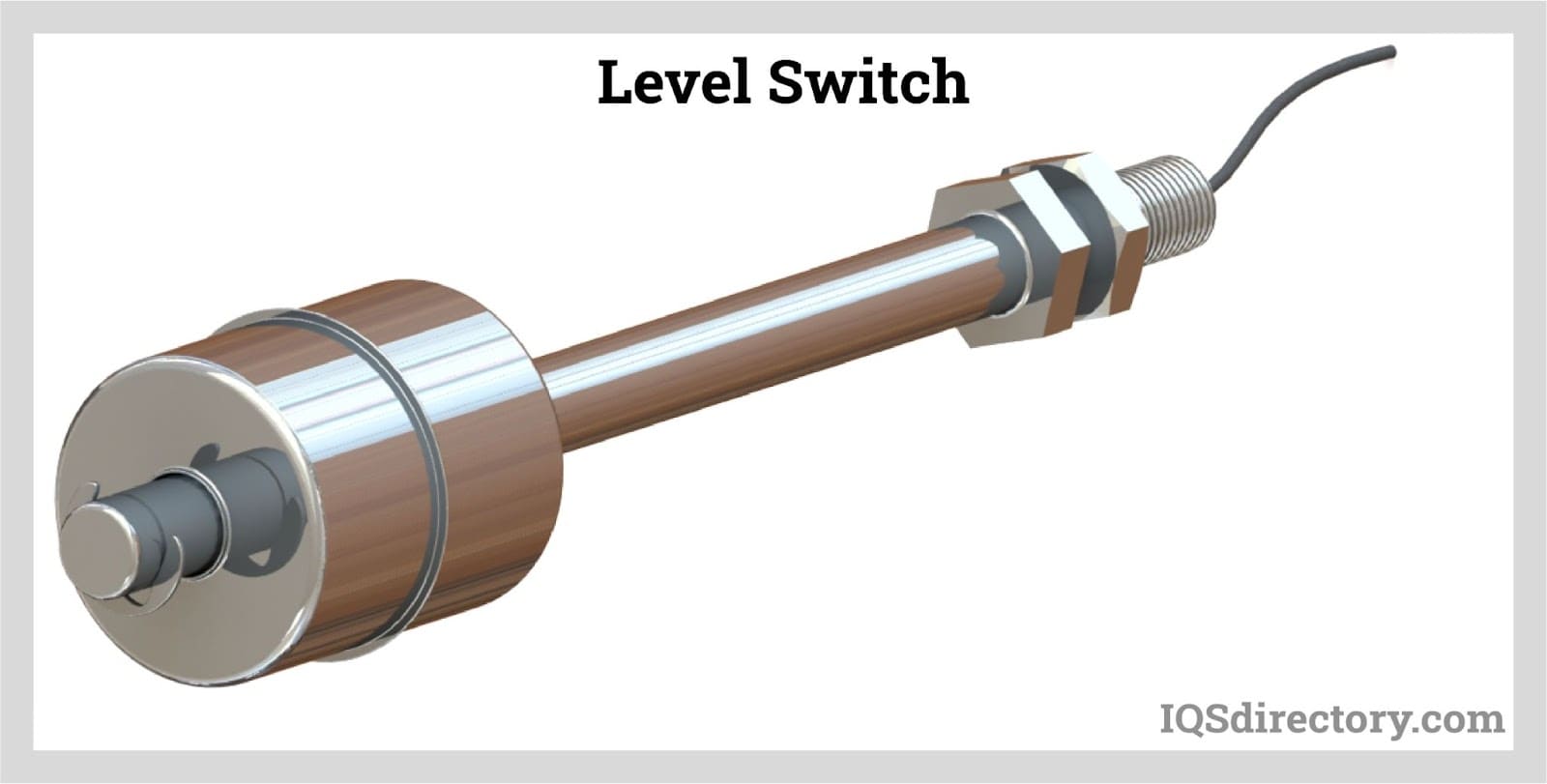
Float switches are level sensors that float on a liquid surface. A float switch consists of a hollow float body containing a sensor. When the liquid level falls or rises, the float switch moves up or down accordingly. Read More…
Sierra`s Innova-Switch™ electronic instruments and devices represent the state-of-the-art in gaseous and liquid flow switching or liquid level control.
At Ryan Herco Flow Solutions, we dedicate ourselves to providing advanced fluid handling products and engineered solutions that meet the demands of a wide range of industries. Our focus is on delivering dependable components and systems that support process efficiency, safety, and reliability.

SOR® level switches have earned a long-time reputation for their high quality, rugged construction and reliable performance under the most demanding applications. All float level switches are individually built with strict attention to detail to meet the exact specifications of your process. Available as float level switches and displacer level switches, our product offering provides superior...


More Float Switch Manufacturers
Float Switches: Comprehensive Guide to Level Detection and Control Solutions
A magnetic device tracks a float switch's movement. A counterweight and a pre-set trigger open the mechanical switch to transmit an electric current to a connected device. This connected device triggers an alarm or turns a pump on/off. A float switch offers a reliable, simple solution for measuring liquid levels.
Float switches are one of the most widely used liquid level sensor technologies for industrial, commercial, and residential applications. They provide precise level measurement, process automation, and tank monitoring through a combination of mechanical and electrical actuation. Whether you are managing water, oil, chemicals, or wastewater, float switches enable automatic level control, preventing overflow, dry running, and costly equipment damage.

What Is a Float Switch and How Does It Work?
A float switch is a type of liquid level sensor or level control device that detects the presence or absence of liquid in a tank, vessel, or sump. It operates by using a buoyant "float" component, which rises or falls with the liquid level. This movement actuates an internal switching mechanism, such as a reed switch, mercury switch, or mechanical contact, to open or close an electrical circuit. The switching action can trigger alarms, control pumps, activate valves, or send signals to process controllers and SCADA systems.
Float switches can be designed for point level detection (indicating a specific high or low level) or for continuous level monitoring when used in conjunction with multiple floats or sensors. They are valued for their simplicity, durability, low maintenance, and ability to function in harsh environments where other level measurement technologies may fail.
Key features:
- Suitable for water, oil, chemicals, and other conductive or non-conductive fluids
- Available in various materials (stainless steel, plastic, brass) for compatibility with corrosive or food-grade liquids
- Mechanical or magnetic actuation for fail-safe operation
- Compatible with PLCs, industrial control panels, and building automation systems
Types of Float Switches
Understanding the types of float switches and their design differences is essential for selecting the right level control solution for your application. The different types of float switches include:
Stem-Mounted Float Switches
Stem-mounted float switches use a magnet inside of a float. As liquid fluctuates, the magnet passes over the reed switch. Stem-mounted float switches operate on a "one-float-one-level" basis, moving a float up and down a stem. This is operating on a one-float-one-level basis. Some stem-mounted float switches are simple or complex depending on the number of floats attached to the single stem. Stem-mounted switches are most suitable for smaller spaces.
Common use cases: Small tanks, confined spaces, laboratory vessels, OEM equipment, and process skids where compact installation is critical.
Benefits: High reliability, minimal moving parts, customizable stem lengths, and multiple switch points for more versatile liquid level control.
Cable-Suspended Float Switches
Cable-suspended float switches have both the magnet and the reed switch in the float. They are tethered, so the float switch doesn't move with the flow inside the tank. As a result, cable-suspended float switches are more electronically diverse than their counterparts. The complexity of cable-suspended float switches depends on the switch points.

For example, simple cable float switches use a single point to control the switch, while complex switches can consist of up to four switch points. As a result, they are well-suited for spaces with wider hysteresis bands.
Typical applications: Wastewater treatment, stormwater sumps, sewage lift stations, water wells, and agricultural irrigation tanks.
Advantages: Easy installation, adjustable switch points, suitable for turbulent or agitated liquids, and no need for tank penetration.
Two-Stage Switch Float Switches
Float switches with a two-stage switch will trigger two actions as the liquid rises. The first trigger will activate a pump if the liquid rises to the next trigger. There are customizable options for the next action.

The second stage may switch off the liquid source, trigger an alarm, or both. Float switches must be custom-made since their needs vary greatly on a commercial level based on the unique requirements of the end user.
Decision factors: Consider the number of control points needed, desired automation features, and the ability to integrate with remote monitoring systems or BMS (Building Management Systems).
Vertical Float Switches
Vertical float switches have two parts – the stem and the magnetic float. They can either have a stainless steel or plastic ball mounted at the bottom or top of the tank. One of the two floats moves with the liquid level inside the tank, while the other remains attached to the top of the tank.
Best for: Water tanks, chemical storage, fuel tanks, and process vessels with vertical access. Vertical float switches offer precise high and low-level detection, making them ideal for overflow protection and pump control.
Horizontal Float Switches
Horizontal float switches are perfect when they have limited access to the top or bottom of the tank. Horizontal float switches are mounted on the side of a tank using a hinged float. The horizontal float switch falls and rises with liquid levels. The movement of the float causes the switch to open or close the circuit.
Applications: Side-entry applications such as boiler tanks, HVAC condensate pans, oil reservoirs, and compact process equipment. They are also used in retrofit projects where drilling into the tank top is impractical.
Common Applications of Float Switches
Float switches are most commonly applied in sump pumps and condensate pumps. In these applications, the switch detects the rising liquid level in the sump or tank and then energizes an electrical pump. This energized electrical pump then pumps the liquid out until the liquid level has been reduced substantially, at which point the pump is switched off again.
However, the use of float switches extends far beyond sump pump automation. They are critical components in:
- Industrial process control: Monitoring and regulating liquid levels in chemical processing plants, food and beverage manufacturing, and pharmaceuticals for both storage and mixing tanks.
- Water and wastewater management: Controlling pumps, alarms, and valves in municipal water treatment and sewage systems.
- HVAC systems: Preventing overflow in condensate drain pans and cooling towers by shutting off pumps or triggering maintenance alerts.
- Marine and boating: Bilge pump automation to prevent flooding and damage to vessels.
- Fire protection systems: Ensuring water tanks maintain adequate levels for emergency sprinkler systems.
- Agricultural irrigation: Automating irrigation pumps and maintaining optimal water levels in livestock troughs and storage tanks.
- Oil & gas: Monitoring and controlling levels in fuel storage, oil separators, and refineries.
- Battery backup systems: Protecting battery enclosures from flooding by activating pumps or alarms as needed.
Benefits of Float Switches
- It's easy to mount and retrofit float switches.
- System calibrations can be made online.
- Gauge, switches, and transmitters use the same hardware
- There is the possibility of continuous level measurement, even during power failure
- Float switches provide a simple, reliable, and effective level measurement solution.
- Low maintenance and long operational life due to robust mechanical design and minimal electronics.
- No calibration drift, unlike some electronic sensors, making float switches ideal for mission-critical applications.
- Cost-effective compared to ultrasonic, capacitive, or radar level sensors, especially in challenging environments.
- Wide compatibility with hazardous area installations (ATEX, IECEx certified models available).
- Resistant to foam, vapor, or particulate contamination that can interfere with optical or ultrasonic sensors.
Key Decision Factors When Selecting a Float Switch
Choosing the right float switch for your application involves several considerations. Use the following decision criteria to identify the most suitable model:
- Liquid type: Is the liquid water, oil, acid, alkaline, or a food-grade substance? Select float switch materials for chemical compatibility and hygiene standards.
- Tank design: Consider tank size, shape, access points (top, bottom, side), and mounting constraints (threaded, flanged, or clamp-on).
- Temperature and pressure: Ensure the float switch is rated for the maximum process temperature and system pressure.
- Switching requirements: Do you need single-point or multi-point actuation? Latching, momentary, or bistable contacts?
- Electrical ratings: Match the float switch to your system voltage and current requirements (AC/DC, low/high voltage, relay or direct control).
- Hazardous area certification: For explosive atmospheres, choose an intrinsically safe or explosion-proof model.
- Maintenance and accessibility: Will the switch be installed in a location that is difficult to access or service?
- Integration: Confirm compatibility with your existing control system, PLC, or remote monitoring platform.
Looking for advice on float switch selection? Ask an expert or request a quote from multiple float switch manufacturers using our directory.
How to Install and Maintain Float Switches
Proper installation and maintenance are key to ensuring reliable float switch operation and long service life. Here are some best practices:
- Follow manufacturer instructions for mounting position and electrical wiring.
- Ensure that floats move freely and are not obstructed by tank walls or debris.
- Periodically inspect for buildup, fouling, or corrosion, especially in dirty or corrosive liquids.
- Test switch operation regularly to confirm proper functioning of alarms or pumps.
- For hazardous locations, verify that all wiring and conduit meets local safety codes and certification requirements.
Want step-by-step installation guidance? Explore our detailed float switch installation guide.
Float Switch Alternatives: How Do They Compare?
While float switches are highly effective for most level control tasks, you may be considering alternative technologies such as:
- Ultrasonic level sensors (contactless, suitable for clean liquids or open tanks)
- Capacitive and conductive sensors (for non-contact or point-level detection in conductive fluids)
- Radar level transmitters (for continuous level measurement in harsh or challenging environments)
- Pressure transducers (for hydrostatic level measurement in deep tanks or wells)
Each technology has its strengths and weaknesses. Float switches remain the preferred solution for many applications due to their simplicity, affordability, and resistance to electrical noise, foam, and turbulence. For mission-critical or complex applications, hybrid systems may combine float switches with electronic sensors for redundancy and advanced diagnostics.
Curious about which level sensor is right for your process? Compare float switches vs. ultrasonic, radar, and other level sensors in our comprehensive guide.
Industry Standards and Compliance for Float Switches
When selecting a float switch, verify that your chosen model complies with relevant industry standards, including:
- UL, CSA, or CE certification for electrical safety
- ATEX and IECEx certifications for hazardous area installations
- NSF/ANSI standards for potable water and food-grade applications
- RoHS and REACH compliance for environmental and material safety
Meeting these standards not only ensures legal compliance, but also enhances reliability, safety, and customer confidence in your level measurement system.
Choosing the Right Float Switch Manufacturer
To ensure the most constructive outcome when purchasing float switches from a float switch manufacturer, it is important to compare several companies using our directory of float switch manufacturers. Each float switch manufacturer has a business profile page highlighting their areas of experience and capabilities, along with a contact form to directly communicate with the manufacturer for more information or request a quote. Review each float switch business website using our patented website previewer to quickly learn what each company specializes in. Then, use our simple RFQ form to contact multiple float switch companies with the same form.
How do I select a reliable float switch supplier? Look for manufacturers with:
- Proven track record in your industry (water treatment, oil & gas, food & beverage, etc.)
- Custom engineering capabilities for unique tank or process requirements
- Comprehensive technical support and after-sales service
- Certifications and compliance with international standards
- Competitive pricing and lead times
Ready to get started? Request a quote from leading float switch manufacturers and suppliers today.
Frequently Asked Questions about Float Switches
- What is the difference between a float switch and a level sensor? A float switch typically provides discrete (on/off) level indication, while a level sensor may deliver continuous measurement or analog output.
- Can float switches be used with aggressive chemicals? Yes, but you must specify the correct float and stem materials (e.g., PTFE, PVDF, stainless steel) for chemical compatibility.
- Are float switches suitable for potable water applications? Models are available that are NSF/ANSI certified for drinking water and food contact.
- Do float switches work with viscous or dirty liquids? Many float switches are designed to resist fouling and can be equipped with anti-clog floats for challenging media.
- How do I troubleshoot a float switch? Check for mechanical obstructions, electrical continuity, and proper float movement. Consult your manufacturer’s troubleshooting guide for detailed steps.
Conclusion: Why Float Switches Remain the Level Control Standard
Float switches continue to be the preferred technology for liquid level detection and automatic pump control across countless industries. Their robust design, ease of installation, cost-effectiveness, and adaptability make them ideal for water, oil, chemical, and wastewater applications. By understanding the types, applications, and key selection factors, you can confidently choose the best float switch for your process, whether you need a standard model or a custom-engineered solution.
Ready to improve your liquid level control system? Contact our expert float switch manufacturers for tailored recommendations and competitive quotes.

 Flow Meters
 Leak Detectors
 Level Switches
 Pressure Gauges
 Pressure Switches
 Pressure Transducers
 Castings & Forgings
 Bulk Material Handling
 Electrical & Electronic Components
 Flow Instrumentation
 Hardware
 Material Handling Equipment
 Metal Cutting Services
 Metal Forming Services
 Metal Suppliers
 Motion Control Products
 Plant & Facility Equipment
 Plant & Facility Supplies
 Plastic Molding Processes
 Pumps & Valves
 Recycling Equipment
 Rubber Products & Services